
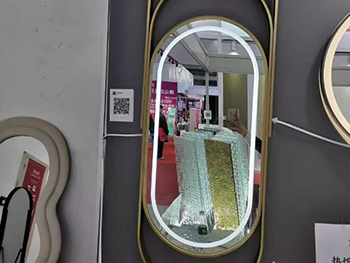
The Latest Innovations in Fully Automatic Smart Bathroom Mirrors
The bathroom mirror, once a simple reflective surface, has evolved into a sophisticated smart device that integrates cutting-edge technology to enhance convenience, functionality, and aesthetics. Fully automatic smart bathroom mirrors are at the forefront of this transformation, offering features such as voice control, touchless operation, health monitoring, and personalized settings. This article explores the latest innovations in this space, highlighting advancements in design, connectivity, artificial intelligence (AI), and sustainability.
1. Touchless and Voice-Activated Controls
One of the most significant advancements in smart mirrors is the integration of touchless and voice-activated controls. Traditional smart mirrors required physical touch, which could leave smudges or require frequent cleaning. The latest models use motion sensors and AI-powered voice recognition to allow users to adjust lighting, check the weather, or play music without touching the surface.
- Gesture Recognition: Advanced infrared sensors detect hand movements, enabling users to swipe left or right to adjust brightness or switch between functions.
- Voice Assistants: Built-in AI assistants (e.g., Alexa, Google Assistant, or proprietary systems) respond to voice commands, allowing hands-free operation. Users can ask for news updates, set reminders, or control other smart home devices.
2. AI-Powered Health and Beauty Analysis
Smart mirrors are increasingly incorporating AI-driven health and beauty analytics, transforming them into personal wellness assistants.
- Skin Analysis: High-resolution cameras and AI algorithms analyze skin conditions, detecting issues like dryness, wrinkles, or acne. The mirror provides personalized skincare recommendations based on the analysis.
- Hair Health Monitoring: Some mirrors use spectral imaging to assess scalp health, suggesting treatments for dandruff or hair loss.
- Fitness Tracking: Integrated weight sensors and body composition analysis tools sync with fitness apps to track progress over time.
3. Adaptive Lighting and Anti-Fog Technology
Lighting plays a crucial role in bathroom mirrors, and recent innovations have made it more adaptive and user-friendly.
- Circadian Rhythm Lighting: Smart mirrors now adjust brightness and color temperature based on the time of day, reducing eye strain and improving sleep quality.
- Anti-Fog Technology: Heated surfaces or hydrophobic coatings prevent fogging after showers, ensuring clear visibility at all times.
- Makeup Mode: Specialized lighting modes simulate natural daylight, helping users apply makeup more accurately.
4. Augmented Reality (AR) Try-On Features
AR technology is revolutionizing how users interact with smart mirrors, particularly in the beauty and fashion sectors.
- Virtual Makeup Try-On: Users can experiment with different makeup looks in real-time without applying physical products.
- Hairstyle Simulation: AR overlays allow users to visualize how different hairstyles or hair colors would look before making a change.
- Virtual Wardrobe Integration: Some mirrors connect to smart closets, suggesting outfit combinations based on weather or occasion.
5. Seamless Smart Home Integration
Modern smart mirrors are designed to be central hubs for smart home ecosystems.
- IoT Connectivity: They sync with other smart devices, such as showers, faucets, and lighting systems, allowing unified control.
- Personalized Routines: The mirror can trigger morning routines—adjusting lights, playing music, and displaying the day’s schedule—based on user preferences.
- Security Features: Facial recognition ensures that personalized settings are only accessible to authorized users, enhancing privacy.
6. Sustainability and Energy Efficiency
As environmental concerns grow, smart mirrors are adopting eco-friendly technologies.
- Solar-Powered Options: Some models incorporate solar panels to reduce electricity consumption.
- Low-Energy Displays: Advanced OLED or e-ink displays consume minimal power while maintaining high visibility.
- Water Usage Tracking: Integrated sensors monitor water consumption, encouraging sustainable habits.
7. Customizable and Modular Designs
Aesthetics remain a priority, with manufacturers offering sleek, frameless designs that blend into modern bathrooms.
- Modular Components: Users can add or remove features like wireless charging pads, Bluetooth speakers, or additional displays.
- Customizable Interfaces: The UI can be tailored to display preferred widgets, such as calendars, weather, or social media feeds.
8. Enhanced Durability and Maintenance
New materials and coatings improve longevity and ease of maintenance.
- Scratch-Resistant Glass: Advanced coatings prevent scratches from daily use.
- Self-Cleaning Surfaces: Some mirrors use photocatalytic coatings that break down dirt when exposed to light.
Conclusion
Fully automatic smart bathroom mirrors are no longer just reflective surfaces—they are intelligent, multifunctional devices that enhance daily routines through AI, IoT, and AR innovations. As technology advances, we can expect even more personalized, sustainable, and intuitive features, making the smart mirror an indispensable part of the modern smart home.
Would you like a deeper dive into any specific innovation mentioned?
Este sitio web utiliza cookies para garantizar que obtenga la mejor experiencia en nuestro sitio web.


 English
 Français
 日本語
日本語 العربية



 Teléfono
Comentario
(0)